
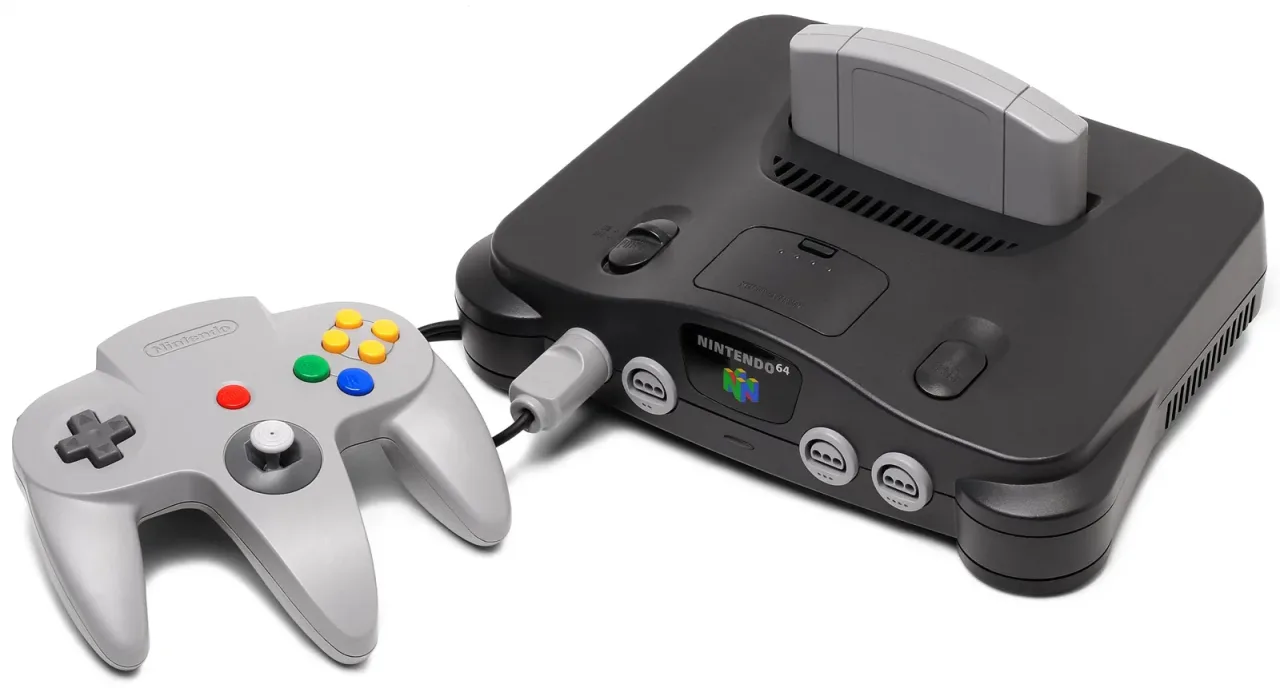
The Nintendo 64 reached its 30th anniversary following its initial June 23, 1996, launch in Japan by Nintendo. If this milestone has prompted you to dig out a box of old cartridges, take some time to evaluate what you have before selling the collection.
Some games may be worth listing individually, while others are easier to sell together. The main difference lies in the buyers. Online marketplaces connect sellers with individual purchasers, whereas buyback services and retailers acquire eligible games directly.
Consider these five options for U.S. sellers, depending on what you are offloading and how much work you wish to undertake.
1. eBay: For Selling Games Individually
If you own a game worth looking up separately, creating an individual listing is often worthwhile, especially when the original box and manual are included.
eBay allows sellers to set asking prices, upload photos, and sell directly to individual buyers through either fixed-price listings or auctions.
Check what similar copies sell for before listing. eBay’s Product Research tool provides historical sales data, including accepted offer prices, and permits sellers to filter by condition and sales format.
Ensure you compare the exact same version, keeping in mind that loose Nintendo 64 games lack boxes and manuals.
Selling individually also means managing photographs, buyer questions, packaging, shipping, and possible returns. Because eBay charges seller fees, factor those costs into your pricing strategy.
This route works best for collectible games where you want to control the asking price and do not mind waiting for the right buyer.
2. The Old School Game Vault: For a Direct Collection Sale
If you prefer to avoid managing separate buyer conversations, mail-in services like The Old School Game Vault buy retro games directly. Active since 2008, the company purchases Nintendo 64 games alongside other Nintendo, Sega, PlayStation, and Xbox titles.
You search for each game, view the current cash offer upfront, add items to a trade-in cart, and submit the order before shipping. Nintendo cartridges, including N64 games, are priced as cartridge-only items, meaning a loose cartridge without a box or manual still receives the full listed offer. This provides a practical starting point for deciding whether to sell a collection as a whole or set specific titles aside for individual listings.
Condition remains important. Stickers are acceptable as long as they do not cover or damage the label, and a small name written in marker is permitted, though heavily marked cartridges are rejected. The company tests items and verifies condition prior to issuing payment. Describe any problems beforehand, and state if an item has not been tested rather than assuming it functions properly.
A $100 minimum order applies, and orders meeting or exceeding that threshold receive a free shipping label. Offers are cash-based rather than store credit, with no seller fees. Payouts are issued via PayPal, Zelle, Venmo, Apple Cash, check, or Amazon Gift Card within three to four business days after an order arrives and is processed. This approach suits sellers who want an itemized offer from a single buyer without creating public listings for every game.
3. GameStop: For an In-Store Trade
GameStop buys qualified games, consoles, and accessories for cash or store credit. While a retro gaming category exists within its trade-in program, not every older title qualifies.
Verify estimated trade-in values online before visiting a participating store. Because GameStop buys items directly, sellers avoid individual negotiations and shipping logistics.
Final offers depend on product condition and eligibility. GameStop establishes trade-in values and treats completed trades as final.
Before accepting an offer, compare the cash and store-credit amounts. Store credit benefits those looking to purchase another game or console, whereas cash provides greater flexibility.
This option suits sellers who prefer a face-to-face transaction and want to know an exact store payout before parting with their games.
4. Mercari: For Selling Games Individually Online
Mercari offers another platform for selling used video games directly to individual buyers by letting you create a listing, set a price, and wait for a purchase.
You can list a single Nintendo 64 cartridge or group several games into a bundle. Each listing requires clear photographs, an accurate description, and condition details.
Creating a listing is free, but Mercari charges a 10% selling fee on the combined item price and any buyer-paid shipping. Sellers can use prepaid Mercari shipping labels or arrange delivery independently.
Once an item sells, sellers must ship within three business days, and buyers have three days to evaluate delivered orders. Payment becomes available in your Mercari balance upon successful completion of the transaction.
Unlike direct buyback services, Mercari requires you to manage each sale actively, including preparing listings, answering questions, packaging orders, and handling return requests.
This path makes sense if you want to set your own prices and feel comfortable selling games individually.
5. Facebook Marketplace: For Local Bundles
Facebook Marketplace connects local community buyers and sellers, including those seeking used games and hardware.
It proves particularly helpful when selling multiple items together. For instance, rather than listing a Nintendo 64 console, four controllers, and a selection of games separately, you can sell them as a single package.
Upload photographs, write a thorough description, set a price, and wait for potential buyers to message offers or questions.
Local meetings eliminate the need for shipping, though you must coordinate schedules, and expressed interest does not guarantee a completed sale.
When meeting buyers, choose a busy public place and confirm payment before handing over items. Exercise caution with shoppers who send payment screenshots, request verification codes, or attempt to redirect conversations to unfamiliar websites.
This approach benefits sellers offering console bundles or larger items who prefer local transactions.
Compare the Selling Routes
Each option demands a different level of effort. Use this comparison to determine which process suits your collection.
| Selling option | Consider it when | Check before selling |
|---|---|---|
| eBay | You want to price and list games individually | Completed sales, selling fees and shipping costs |
| The Old School Game Vault | You want to sell a collection directly to one business | Minimum order, condition requirements and payment options |
| GameStop | You prefer an in-store trade | Product eligibility and cash versus store credit |
| Mercari | You want to set your own prices and sell to individual buyers | Selling fees, shipping and payment terms |
| Facebook Marketplace | You want to sell games or console bundles locally | Buyer arrangements, payment and meeting safety |
Before You Sell Your Retro Games
A little planning prevents you from accepting an offer that undervalues your collection.
- Check each game: Note the title, platform, and condition. Confirm whether original boxes and manuals are present.
- Research completed sales: Compare similar-condition games rather than active asking prices.
- Read the terms: Review shipping fees, seller charges, payment options, and policies regarding refused or returned items.
- Weigh your returns: Calculate net earnings after expenses and consider the time required to complete a sale.
Sellers do not need to rely on a single provider for every item.
Choosing the Right Option
Valuable games may warrant individual listings, while larger collections are simplified by selling straight to a dealer. For a console accompanied by a handful of games, a local package often proves most convenient.
The 30th anniversary of the Nintendo 64 provides an ideal opportunity to dust off old game collections. Research your inventory, evaluate your alternatives, and select the approach that best fits your goals.
Comments
No approved comments yet. Join the conversation below.